
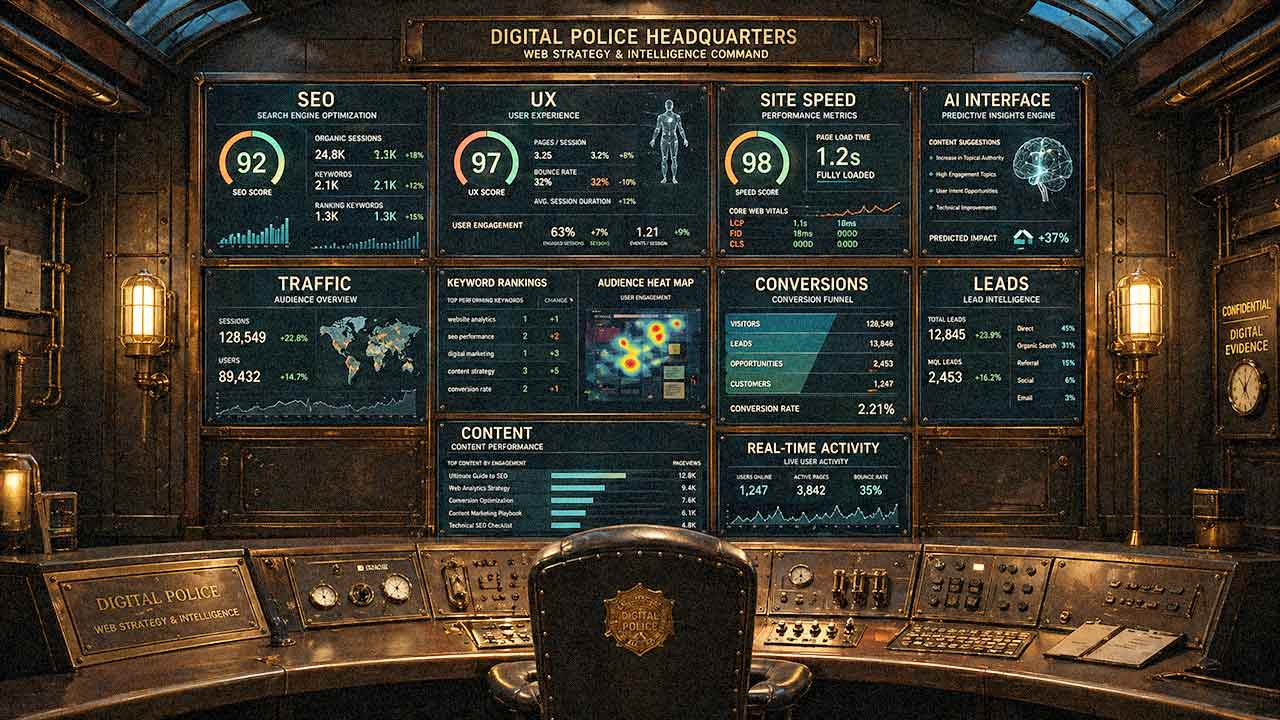
What we’re watching, explaining, and writing about in website strategy.
The My Internet Scout blog is built for website owners, small business operators, web designers, freelance consultants, and small marketing firms who want clearer guidance on websites, content, search visibility, and online strategy.
Our goal is simple: help people understand what matters online, what is changing, and what to do next.
A website is not just something a business owns. It is often the first place a customer checks before calling, booking, buying, or moving on. That means it has to do more than look finished. It needs to be useful, clear, trustworthy, and easy to act on.
This blog focuses on the practical side of making websites work better.
Website Strategy Basics
We write about the role a website should play in a business.
That includes how to think about website goals, what a website should explain, how it should support marketing, and why a good-looking site can still fail if the strategy behind it is weak.
These articles help business owners and marketing teams evaluate a website more clearly.
Common topics include:
- What a website should do for a business
- How to tell if a website is helping or hurting results
- Why website planning matters before design
- What business owners should review before spending more on marketing
- How to think about a website as a business tool, not just a digital brochure
Website Content
Strong website content helps visitors understand who you are, what you offer, who you help, and why they should trust you.
We cover how to write better homepage copy, service pages, about pages, FAQs, blog posts, and other website content that supports real decisions.
The focus is not on filling space. It is on helping visitors get clear answers.
Common topics include:
- How to write clearer website copy
- What service pages should include
- Why weak content costs businesses leads
- How FAQs can improve a website
- How to turn customer questions into useful content
- Why generic copy makes a website feel less trustworthy
SEO in Plain English
Search engine optimization can get confusing fast. We break it down in practical terms.
Our SEO articles focus on what website owners and smaller marketing firms need to understand without getting buried in technical language. The goal is to explain how search engines understand websites, and why better structure, content, and clarity can improve visibility.
Common topics include:
What SEO really means for small business websites
How website structure affects search visibility
Why SEO is not just about keywords
How internal links help visitors and search engines
What local SEO means for service businesses
What website owners should know before hiring an SEO provider
Website Trust and Credibility
A website can create trust or quietly damage it.
We write about the small details that influence whether visitors believe a business is active, capable, and worth contacting. That includes design, copy, photos, reviews, contact information, page clarity, and proof of experience.
Common topics include:
- Website issues that make visitors lose trust
- Why outdated websites can hurt credibility
- How testimonials and reviews should be used
- Why clear contact information matters
- How bad stock photos weaken a website
- What makes a business website feel reliable
Website User Experience
User experience is about how easily people can use a website.
We cover navigation, page layout, mobile experience, buttons, forms, page flow, and other practical details that affect whether visitors stay, read, and take action.
The goal is to make websites less confusing and more useful.
Common topics include:
- Why visitors leave websites quickly
- How to make navigation easier
- Why clear buttons matter
- How page layout affects reading
- Why mobile experience should come first
- How to remove friction from a website
Website Maintenance and Health
Websites need regular attention.
We write about the overlooked maintenance work that keeps websites secure, current, and functioning properly. These topics are especially useful for business owners who had a website built years ago and have not reviewed it closely since.
Common topics include:
- Why website maintenance matters
- What happens when a website goes unchecked
- How broken links hurt trust
- Why backups and updates are important
- How often a business should review its website
- The difference between website updates and website improvements
Website Performance and Speed
A slow website can frustrate visitors before they ever read the page.
We cover website speed, mobile performance, hosting, image size, and other performance issues in plain English. The focus is on what speed problems mean for real users and business results.
Common topics include:
- Why website speed still matters
- How slow pages can cost businesses leads
- What makes a website load slowly
- Why large images are often a problem
- What Core Web Vitals mean in practical terms
- How to know if a website is too slow
Website Redesign Guidance
A redesign can help a website, but only when it solves the right problems.
We write about how to approach redesigns with a clear plan. That includes what to review before starting, how to protect existing search visibility, and why a new design will not fix unclear messaging by itself.
Common topics include:
- When a website needs a redesign
- What to review before redesigning a site
- The difference between a refresh and a rebuild
- Why redesigns should start with content and goals
- Common website redesign mistakes
- How to protect SEO during a redesign
Blogging and Content Strategy
A business blog should support the website, not just add more posts.
We cover how to choose better blog topics, answer real customer questions, update older content, and build a content strategy tied to services, expertise, and search visibility.
Common topics include:
- Why many business blogs fail
- How to choose useful blog topics
- Why random blog posts create weak results
- How to refresh old content
- What makes a blog post helpful
- How blogging can support service pages and SEO
Website Leads and Conversions
Traffic only matters if the website helps visitors take the next step.
We write about calls to action, contact forms, service page flow, lead quality, and the small choices that influence whether someone calls, fills out a form, books a meeting, or leaves.
Common topics include:
- Why traffic alone is not enough
- How to turn more visitors into leads
- What makes a good call to action
- Why contact forms should be simple
- How service pages guide visitors toward action
- What to fix when people visit but do not contact you
Guidance for Small Marketing Firms
Many small marketing firms handle campaigns, content, social media, email, or ads, but do not specialize in website strategy.
We write for those firms too.
These articles help marketing teams spot website problems before they affect campaign performance. A weak website can make good marketing look bad, so it helps to know when the site itself is the bottleneck.
Common topics include:
- What to check before sending traffic to a client website
- Why campaigns struggle when the website is weak
- How to explain website problems to clients
- When to recommend a website audit
- Why landing pages need more than good design
- How SEO, content, and design work together
Local Business Websites
Local businesses need websites that quickly answer practical questions.
We cover how local service businesses can build trust, improve visibility, strengthen location pages, use reviews, and connect with nearby customers.
Common topics include:
What every local business website should make clear
Why location pages matter
How reviews should appear on a website
How a website and Google Business Profile work together
What local customers look for before they call
How to make a website feel relevant to nearby customers
Emerging Tech and Website Strategy
New technology keeps changing how people search, compare, and make decisions online.
We cover emerging tools and shifts, especially AI, through a practical website lens. The point is not to chase every new tool. It is to understand what new technology changes for websites, visitors, content, trust, and visibility.
Common topics include:
- How AI search may change website traffic
- Why clear content matters more as search changes
- How to use AI without making content generic
- What AI cannot fix about a weak website
- How chatbots and answer engines may affect customer behavior
- Which emerging website trends are worth watching
Website Audits and Diagnostics
A website audit should do more than produce a long list of problems.
We write about how to review websites in a useful way, how to find the issues that matter most, and how to set priorities based on business impact.
Common topics include:
- What a website audit should actually tell you
- How to find the biggest problems on a website
- The difference between a technical audit and a strategy audit
- How to review a homepage or service page
- Why analytics do not tell the whole story
- How to turn an audit into a practical action plan
What to Fix First
Some website problems are more urgent than others.
Our “what to fix first” articles focus on priorities. These posts are designed to help readers avoid getting lost in long checklists and start with the issues most likely to improve clarity, trust, traffic, leads, or usability.
Common topics include:
- What to fix first if a website is not getting leads
- What to fix first if traffic is dropping
- What to fix first before a redesign
- What to fix first before running paid ads
- What to fix first if service pages are weak
- What to fix first if a website feels hard to use
Why We Cover These Topics
Most website advice is either too vague or too technical.
My Internet Scout takes a practical middle path. We explain website issues in plain English, connect them to real business outcomes, and focus on what owners, marketers, and consultants can actually use.
The blog is not about chasing trends for the sake of it. It is about helping people make better website decisions.
That means asking practical questions:
What is working?
What is unclear?
What is being overlooked?
What is wasting time?
What should be fixed first?
What changes when search, content, design, or technology shifts?
If your website plays a role in how people find, judge, or contact your business, these are the issues worth paying attention to.
What should be fixed first?
What changes when search, content, design, or technology shifts?
If your website plays a role in how people find, judge, or contact your business, these are the issues worth paying attention to.




0 Comments