
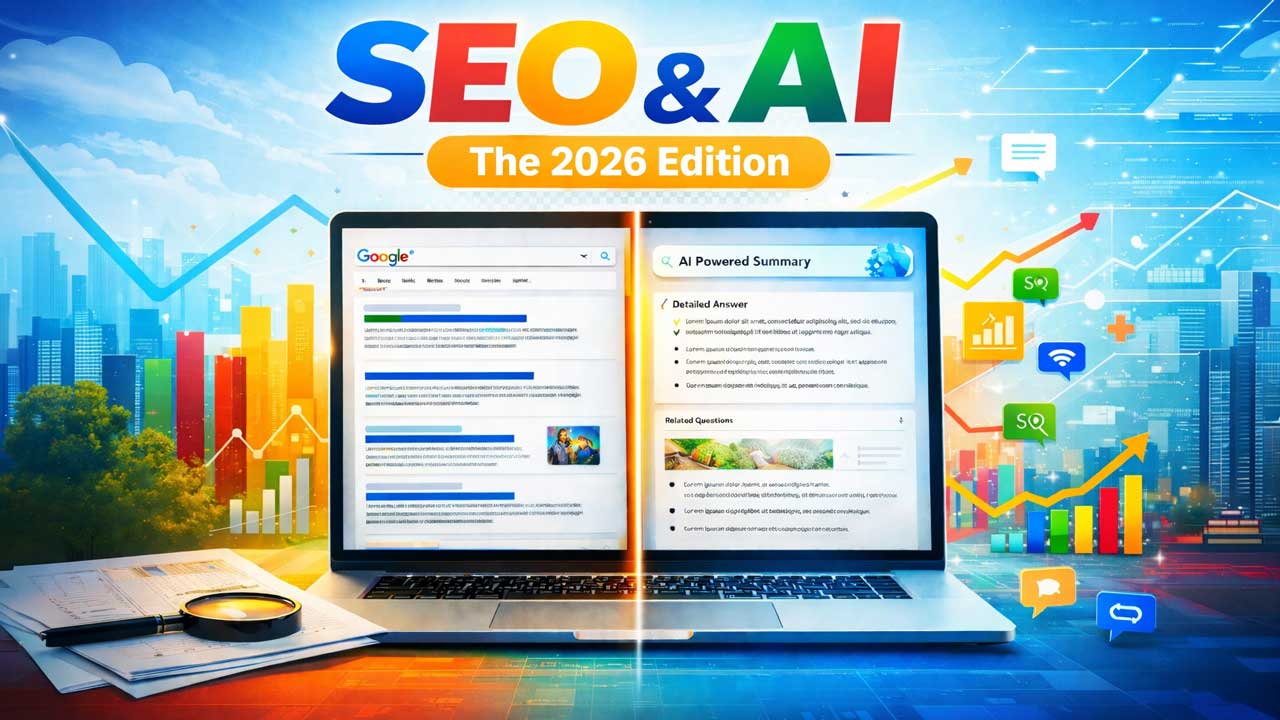
AI is in the mix, but strong SEO in 2026 still comes down to solid basics.
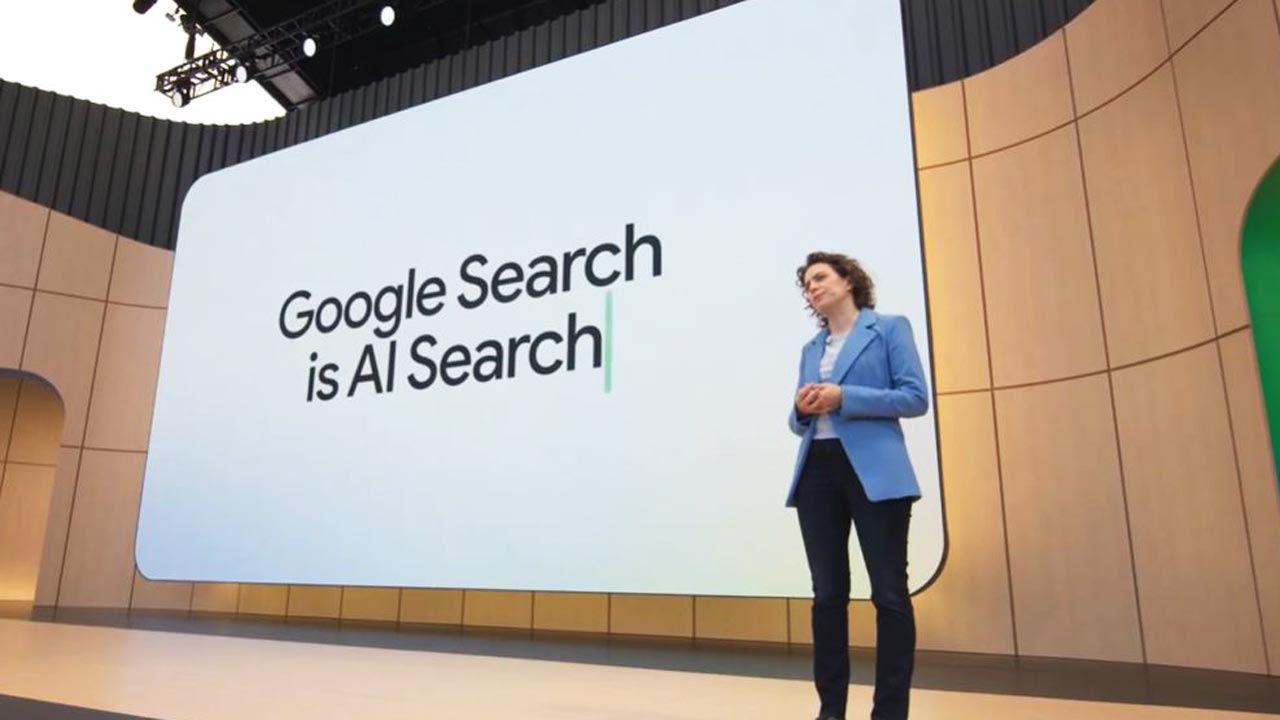
SEO in 2026 feels a little noisier than it used to. AI Overviews are in the mix. AI Mode has pushed more people to talk about “GEO,” short for generative engine optimization, as if search engine optimization suddenly got replaced with a shiny new acronym. Plenty of businesses are staring at the search results page and wondering whether the old playbook still works.
It does, mostly. It just needs less fluff and more discipline.
Google’s own documentation says the same core SEO guidance applies to AI features such as AI Overviews and AI Mode. The bigger change is not that SEO died. The bigger change is that search visibility now stretches beyond the old stack of ten blue links, so weak content, vague page structure, and half-finished SEO habits stand out faster than before.
Google AI Overviews Put More Pressure on Original Content
The first takeaway is simple. People-first content deserves more attention, not less.
Google has been repeating this for years, but the point lands differently in 2026 because the web is now flooded with passable copy. A lot of it reads fine at first glance. A lot of it says almost nothing. Google’s guidance on helpful, reliable, people-first content is blunt about the target. Content should leave visitors feeling they learned something, solved something, or got closer to a decision. Pages built mainly to attract search clicks are not aligned with that goal.
For site owners, this changes the assignment. A page can no longer survive on tidy formatting and a competent summary of what everyone else already said. It helps to have firsthand experience, original examples, local knowledge, actual analysis, or a point of view shaped by real work. In plain English, your page needs a pulse. It needs to sound like somebody who knows the subject sat down and wrote it for a reader, not for a content calendar.
That shift has ripple effects. Content audits get sharper. Thin service pages look weaker. Lazy location pages become harder to justify. Businesses that know their customers well have a better shot than they think, because useful specificity travels farther than generic polish.
Google Search Central Draws a Clear Line on AI Content and Scaled Abuse
AI content is fine. Scaled junk is not.
Google says using generative AI is not automatically a problem. It can help with research, structure, and drafts. The trouble starts when businesses use AI to churn out large volumes of pages that add no real value. Google’s guidance says this can violate its spam policies on scaled content abuse.
That distinction matters because plenty of businesses have taken the wrong lesson from the AI boom. They saw faster production and assumed volume would carry the day. It usually does not. Fifty shallow pages do not beat ten pages that are accurate, edited, well-structured, and clearly more useful.
A smarter workflow is less glamorous and more effective. Use AI to speed up prep work. Then bring in human judgment. Tighten the facts. Add examples from your industry, your city, your clients, your product, your service process. Cut repetition. Fix the flat, synthetic phrasing. The result should feel lived-in, not stamped out.
SEO Pro-tip Secret
There is also a competitive opening here. In a lot of industries, roughly 80 percent of competitors are not truly concentrating on SEO in a steady, methodical way. They publish sporadically, ignore page structure, and leave old content to gather dust. Being part of the consistent 20 percent often gets a business on the first page in the search engine results. Not because Google hands out participation trophies, but because consistency with SEO continues to be rare.
Google Search Essentials Favor Clear Titles, Headings, Links, and Language
On-page clarity beats cleverness.
This is one of the least glamorous parts of SEO, which is probably why so many businesses neglect it. Google’s Search Essentials says to use the words people would actually search for and place them in prominent locations such as page titles, main headings, alt text, and link text. It also says links should be crawlable so Google can discover other pages on your site.
That sounds basic because it is basic. It is also where a lot of websites quietly lose ground.
A clever headline that hides the topic is not helping. Navigation copy that sounds cute but tells nobody where a link goes is not helping. A service page that dances around the core phrase because the writer wanted to sound sophisticated is not helping.
Google needs clarity, and so do people. The two goals line up more often than some SEOs like to admit.
For real websites, this means writing better page titles, tightening H1s, improving internal links, and making sure each page has a clear subject. It also means resisting the urge to outsmart the query. Search intent is usually less mysterious than marketers make it sound. A person looking for “emergency plumber in Tampa” is not asking for a lyrical brand manifesto.
Search Console, Core Web Vitals, and JavaScript Still Shape Site Performance
Technical SEO has not gone away. It has just become easier to misunderstand.
Google can process JavaScript, but its documentation still puts the burden on site owners to make pages accessible, crawlable, and understandable. Important content should not be hidden behind broken rendering, blocked resources, or messy internal linking.
Search Console remains the most practical checkpoint for spotting indexing and performance issues, and Core Web Vitals continue to focus attention on LCP, INP, and CLS.
This is not an argument for obsessive technical tinkering. It is an argument for removing large swaths of friction. A page that loads slowly, jumps around, or lags when somebody taps a button feels cheap. Users notice it. So do business owners when conversion rates sag.
In practical terms, technical SEO in 2026 means getting the foundations right. Make your important pages easy to reach through internal links. Keep essential content in HTML. Check indexing. Improve speed where it is visibly hurting the experience. Fix the stuff that creates confusion, not just the stuff that looks impressive in an audit spreadsheet.
Google Search in 2026 Extends Beyond the First Ten Blue Links in Search Results
Search visibility is broader now.
Google’s documentation says AI features can expose users to a wider and more diverse set of web pages, especially as people ask longer and more specific questions and follow-ups. That changes how businesses should think about visibility. It is no longer just a chase for one trophy keyword and one ranking position. Supporting pages, comparison pages, niche FAQs, local pages, and tightly written explainers can all play a bigger role in discovery.
For businesses, this is useful news. You do not need to own the entire search results page to win business. You need enough strong content across your site that Google can understand your expertise and users can find a page that meets the moment they are in.
Visitors from ChatGPT
From our clients’ experience, ChatGPT referrals have turned into some of the strongest referral traffic a business can get. They often arrive with clearer intent, more context, and a sharper sense of what they need. In practical terms, that can make them one of the best kinds of leads a business receives.
That pushes SEO closer to overall website quality. Better content structure helps search engines understand the site. Better writing helps visitors trust it. Better page experience helps more of those visitors stick around long enough to act.
AI May Have Entered the Room, but the SEO Party is Still Going
The takeaway for 2026 is not flashy. SEO has not changed as much as the noise around it suggests. AI is now part of the mix, but for most businesses the shift is incremental, not a total rewrite of how search works. Publish content that earns its place. Use AI carefully. Write pages with clear language and obvious structure. Fix the technical issues that create friction. Stay consistent while other businesses drift. For a lot of sites, that is still the cleanest path to stronger rankings, stronger trust, and more qualified traffic.



0 Comments